Showing posts with label European. Show all posts

Friday, June 28, 2013

Windhoek, Namibia, Africa


By Jothea Hite

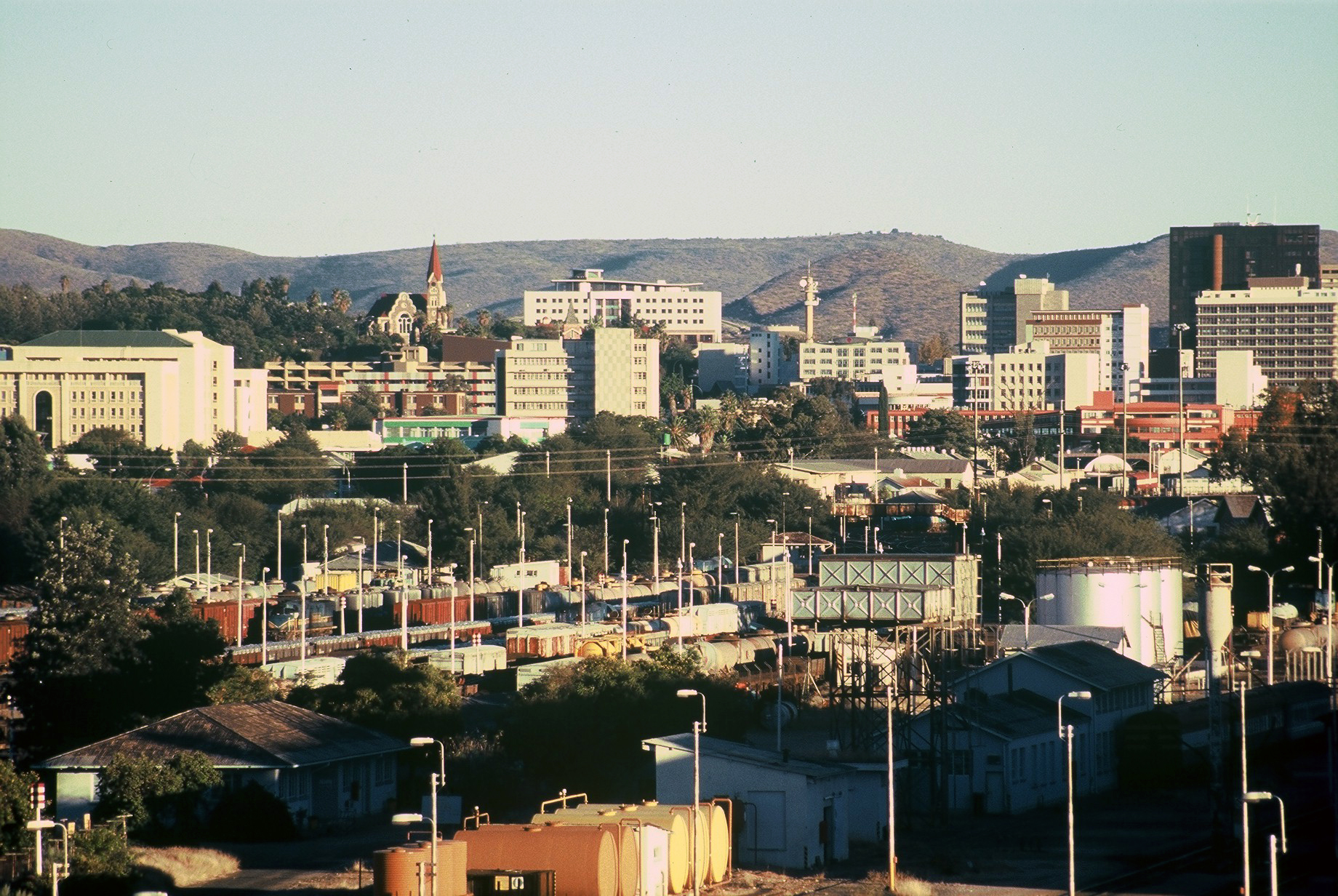
Namibia is a huge country with a small population due to its desert nature. With a population of 2,1 million according to the 2011 census, you will understand why the size of the capital city of the Republic of Namibia is what it is. With only 322 000 inhabitants counted in the same census, it seems like a village compared to capital cities such as London or Paris. Yet, we are a very cosmopolitan city with cultures from all across the globe. I have read reports by travellers that recommend tourists to skip Windhoek and that it is a boring city, but having lived here for nearly 25 years, I beg to differ.
As a melting pot of African, European and also Eastern cultures, I would say that Namibia’s true identity does not lie in its cities and towns, but rather in its natural beauty that spans millions of years.
Windhoek is not hundreds of years old like many European cities. It is only a 174 years old – and that’s taking it back to the settlement by Jonker Afrikaner, an Orlam captain, as a result of a spring that could provide water for his livestock. The German army founded the city again in 1890 after years of hostilities and strife. This brings the age of the city to only 124 years in European terms.
The German influence in architecture is still very evident in the older parts of town. A couple of well-preserved German shop-fronts still grace the main street, Independence Avenue, which in German times was know as Kaiser Strasse.
History is not only German, however. In front of the Tintinpalast – seat of Government situated East of Independence Avenue, you will find Parliament Gardens and a statue of Hosea Kutako, one of the many heroes of the Namibian independence struggle.
Being located at such a high altitude affords Windhoek the most moderate climate in the entire Namibia. Our winter days are basked in sun, with night-time temperatures often dipping to under zero, while our summers can be very hot and dry. Despite our location in a summer rainfall area, Windhoek is termed as semi-arid. In extreme years, we’ve had
virtually no rain, while we can usually expect an average of 300mm per year.
So, what we cherish most is our blue skies! We get depressed when it is dusty and dry and grey, because we are so used to crisp, clear blue skies. Then the mountains surrounding Windhoek stand guard around the Windhoek valley and you cannot but feel at home.
Home is meat in Namibia and you should not leave Windhoek without having a taste of the best beef or game sirloin or fillet you could find. Local delicacies called biltong and and droëwors (dried beef or game meat and dried sausage) are eaten by all; true to our Namibian meat-eating tradition, which is augmented by a good dose of German sausages,  cold meats and of course, beer made in the German tradition.
Windhoek does not have much of a night-life, but you will find many clubs and bars if that is what you want to do in Africa. If you prefer to rather watch the African sunset, make sure that you are on top of the roof of a well-known hotel or at one of the old castles in town. During the day, visit one of the many coffee-shops or restaurants in the town centre to feel the true buzz of life in Windhoek.
Serious party-time is very linked to the German Wika-festival and the Oktoberfest, but also the ǀAiǁGams Festival that is held by the City of Windhoek.
What I love most about Windhoek is the fact that you can drive for five or ten minutes and be out in the country. Windhoek is relaxed and laid-back and that is probably why I would not want to live anywhere else in the world.  

Sunday, May 26, 2013

Helsinki, Finland

MyCity – Helsinki, Finland

 By Denise Ruthmann


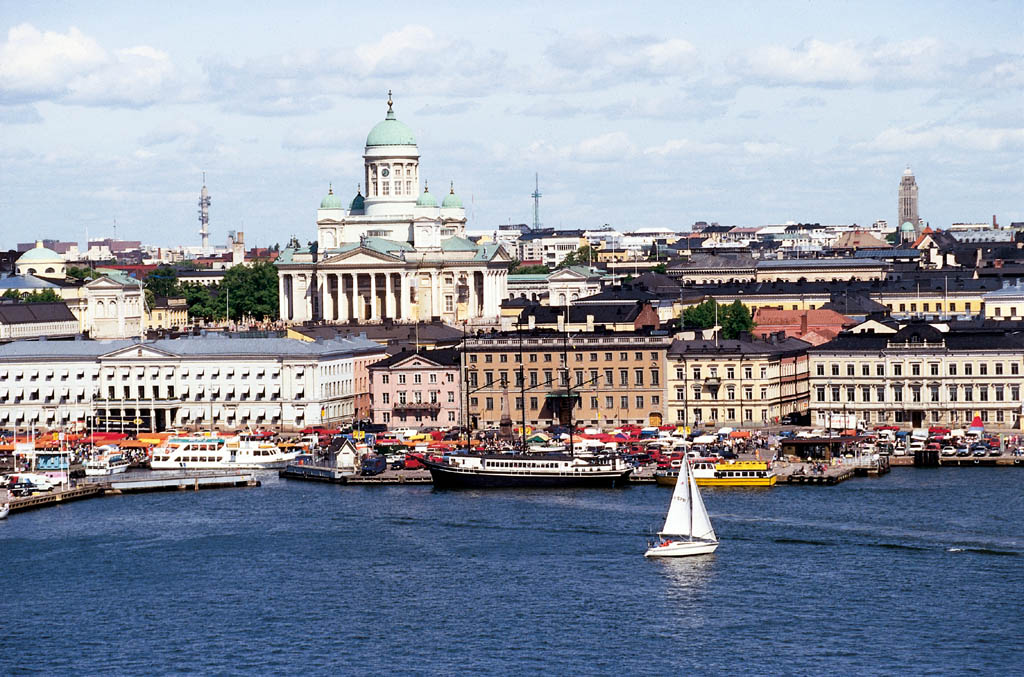
Helsinki is the capital of Finland and it is lying in the very south of the country. The city has its very own charm and is not comparable to any other north European harbour town, because it has been influenced by Russian and West European cultures. With its great location directly at the sea, rich culture, the exotic seeming Finnish language and the kindness of its people Helsinki presents itself as a welcoming and attractive city, which remains long time in a visitors memories.


Most interesting is the very center of Helsinki. Here you can find modern shopping malls as well as individual little shops, international restaurants from all over the world as well as traditional Finnish cuisine, art, culture, entertainment and much more. It has been built in the style of classicism by its famous architect was Carl Ludwig Engel.
The most famous building in Finland is located in the center as well: The white cathedral or Tuomiokirkko in Finnish.

 You can find the beautiful building printed as a motive on countless postcards and also the inside of the cathedral is worth a visit. Right in front of the Tuomiokirkko lies the popular Senat Square which is surrounded by small shops and cafés and often venue of public gatherings and markets. Close by you can find the popular Kauppatori, a marketplace directly at the harbour which offers regularly creative, fresh and delicious products for all seasons. Especially interesting in the area of the Kauppatori are the ships which can bring you to Stockholm in Sweden, Tallinn in Estonia and Suomenlinna. The latter is a beautiful Finnish island right in front of Helsinki. In former times it was used as a sea fortress. Nowadays the island is a part of  the city and also inhabited by some. Suomenlinna is a green and lovely place with breathtaking views on the sea and loved to be visited by tourists as much as by Finns.

Beside the center also the parks of the Finnish capital are worth mentioning. Most well-known is a park called Kaivopuisto. This park is one of the oldest and most beautiful parks in all over Helsinki and lies directly at Helsinkis' coast. From here you have a perfect view on the sea, ships and small islands. The meadows of the park offer a great opportunity for picnics during summer time. Especially at the 1. of May, the official Finnish Vappu holiday, a visit in Kaivopuisto is the best hint you can get. At this occasion every year half Helsinki seems to gather in this park and celebrates Vappu with a lot of fun, music, beverages and grilled food.


So don't hesitate any longer, but come to visit this, both lively and lovely, city in the far north.

Grecia, Costa Rica

Invitation to my city: Grecia, Costa Rica

Written by Dovile Vaigauskaite


Grecia, though called after European country (in Spanish "Grecia" means Greece), is a typical Costa Rican town. What I like about it is that it is not too big and not too small - it is just perfect. No traffic jams, only few traffic lights, lots of people walking to take care of their errands in hundreds of little shops. You can find almost anything you need here, even a cinema!

Attractions:

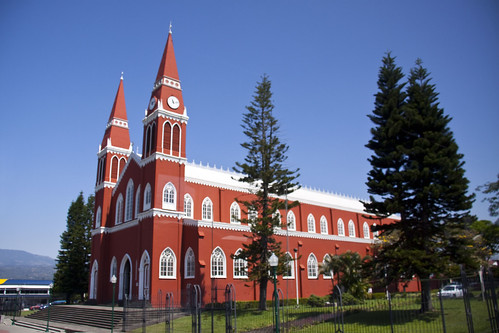
Grecia canton has approximately 78 000 inhabitants, although the city itself is much smaller - approximately 15 000 persons call Grecia town their home. Situated on the southwestern slope of famous Poas volcano, and being only 40 minutes ride from San Jose International airport, Grecia is a perfect touristic spot. Most of the visitors are drawn here for its famous metal church - the Cathedral of Our Virgin Mercedes.

After yet another fire had damaged old wooden church back in the 19th century, the locals decided to re-build the church from metal so that no fire could damage it ever again. The metal sheets were shipped all the way from Belgium in 1890 (although some urban legend states that the Belgian metal came to Grecia by mistake: it was meant to be shipped to Greece, and not Costa Rica). The locals take great care of their beloved monument - the church's facade is being painted every few years, although the color always remains the same, deep bordeaux. If you are interested in the history of Grecia canton, visit Regional Museum of Grecia, situated next-door to the church.


Another local attraction is the snake museum  "Snake World" (Mundo de los Serpientes in Spanish), situated in the outskirts of Grecia. It is quite famous among the snake fans, as this place is known for breeding a variety of species, some of which are quite rare. Snake World has around 150 snakes of 50 different species. I am not a big fan of these reptiles, but even I found the tour very interesting and informative (I could not believe how much of misconceptions we have about these animals). Recently, the museum has become a center for rescued wild animals, which means that you may be lucky to see other than snakes animals too.


Costa Rica is a land of nature, abundant in waterfalls. Grecia is proud of one too - Los Chorros waterfall. You will not be ran over by masses of tourists here, as the place is mostly visited by locals. So if you can, head there on a weekday instead of a weekend. Also, bring your lunch: the place has few spots with tables and benches, great for a picnic. Getting to Los Chorros is best by hiring a taxi.

Grecia is a great place to stay overnight and do some day trips. Sarchi, famous for its woodwork artisans, is only 10 minutes drive away. Make sure to visit the factory of the chariots ("carretas" as they are called in Spanish) and the church in the main square. You can see the Poas volcano, famous for being the most accessible volcano in the world, from Grecia center: it is only 45 minutes drive away. If you do go to see Poas, make sure to stop at La Paz Waterfall Gardens. Although the ticket price is a bit much (35 USD), it is totally worth it. The Gardens do not only have 5 most beautiful waterfalls, but also a butterfly observatory, frog pond (most of the frogs that live there you would never see in wilderness), a hummingbird garden, aviary, snakes (yes, more snakes), monkeys' house and even jungle cat exhibit. This is one of my favorite local attraction.

Local food:

Grecia is a great example of typical Costa Rican life. Most residents work in farming sector, growing sugar cane and coffee. Therefore, Grecia is a perfect place to indulge your thirst for coffee. Make sure to grab few bags of local coffee to bring home (any Costa Rican coffee bought in a supermarket is good). If you are interested in how coffee is grown, visit Doka Coffee Plantation: their tours and coffee are famous worldwide. My favorite place to take coffee in Grecia is Las Delicias, a cafe situated on the corner down from the church. Its a great spot for people-watching and for some tasty deserts.

Costa Rican traditional food is quite simple yet tasty. Most typical dish is a so-called "casado" (translated from Spanish, a married man's meal), which comprises rice, beans, salad, fried plantains, meat/poultry/fish of your choise, and fried egg. With one dish like this you will be satisfied for almost a whole day, and you will pay 4-5 USD for it in Grecia. I recommend "El Rancho de Nelson", a family owned restaurant not far from the church, on the same street as the bus station. Make sure to try their milk shakes.


If it happens to be a warm day (Grecia has a very comfortable climate as it is never too hot or too cold), go to ice cream parlor "POPS". I truly believe they have the best ice cream in the world. My personal favorite is coconut and mango.

Every Friday afternoon and Saturday morning there is a local farmers' market (on the road to shopping mall "El Ingenio"). Visiting the market is an experience of its own, where you will definitely see fruits and vegetables you have never seen before.

Local peculiarities:

Although Grecia is a small town, having a map with you is a good idea as it is easy to get lost. Bear in mind, that there are no addresses in Costa Rica. As shocking and scary as it may sound, locals have lived without them for ages, and most foreigners survive too. You find places through geographic indications, e.g. 100 metros south of the church. Having a compass (or a good GPS) will help a lot. And make sure you know which church exactly is meant...

You can reach places by public bus or taxi. Grecia, and the surrounding towns and villages, are very safe and taxi drivers will not try to cheat you on the fare. Still, make sure the taxi meter is on, to avoid any possible misunderstandings.

Costa Ricans are known to be the happiest people in the world. Actually, the thing that attracted me to this country were its people. They will always smile and help you, even if they do not speak English or are busy with something else. Due to their politeness, Ticos (as Costa Ricans are called) will avoid saying "no" or "I don't know" not wanting to disappoint you. However this can cause some inconveniences when you ask for directions, and a good-intending Tico sends you totally the wrong way. It is always a good idea to ask another person the same thing, just to make sure you are headed the right direction.

People will greet you with "pura vida", which literally translates to "life is pure" and is used as "how are you?" in English. However, "pura vida" means much more than this - it is a Costa Rican way of life. Take things easy and enjoy the moment. I hope you enjoy Grecia, my pura vida town.

central America