Showing posts with label Europe. Show all posts

Wednesday, June 5, 2013

Sofia, Bulgaria

Sofia, Bulgaria  -Europe
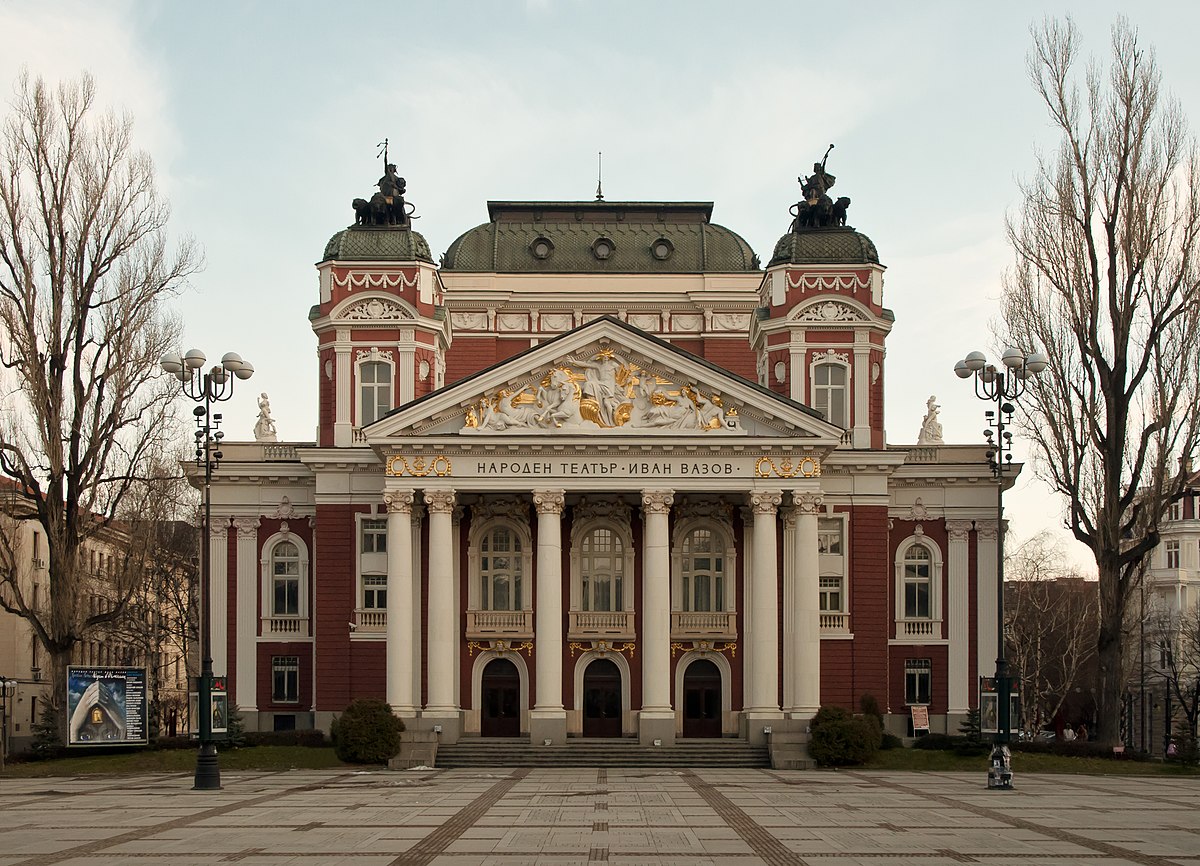
Picture by wiki

By Milena Alexova


Every city has its own beautiful and exciting history. We will introduce to you the sides of the capital of Bulgaria – Sofia. It is the largest city in Bulgaria and its motto is “Grows but does not age.” The city has a 7000 year history. Therefore, a unique mix of cultural layers, including all peoples who left their mark on this land - by the Thracian tribe Serds in Macedonians under Philip II and Alexander the Macedonian, Roman Trajan, Attila's Huns, the Bulgars of Khan Krum Byzantines, Crusaders, Ottomans temporary Russian rulers Battenberg monarchs, Ferdinand and Boris, the Nazis and the communist government, until today.
For cultural sightseeing, we shall begin with presenting you one of the oldest churches in Bulgaria – the church “St Sofia”. It is built in the IVth century. The city is carrying its name, because during the XIVth century it was very popular. Side of the church you can find the Monument of the Unknown Soldier and the grave of Ivan Vazov – classic poet and writer. “St Sofia” depicts the coat of arms of the city.
Built in 1906 by Viennese architects in neoclassical style, is the National Theatre ‘Ivan Vazov.’ It is the biggest theatre in Bulgaria and is also an architectural symbol of Sofia. It has an impressive facade is six columns supporting a triangular pediment on which depicts Apollo with the Muses of the arts. Moreover, it goes under the name of the famous Bulgarian poet and writer who we already introduced - Ivan Vazov.
Another influential building in Sofia is the National Art Gallery which is very close to the National Theatre ‘Ivan Vazov.’ The National Gallery is created in 1948. It is situated in part of the former princely palace of Alexander Battenberg. It is made in order to exhibit the most valuable works of Bulgarian artists and sculptors.
If you are a booklover, the right place for you to visit it Square ‘Slavejkov.’ This is an open bookstore where you can find everything - from books and textbooks to CD's and video games. It is named after the Bulgarian writer, journalist and politician Petko Racho Slavejkov.
Last but not least are the museums. There is a wide variety of museums depending on what your preferences are. For example, you can visit the National Museum of Military History – a military, research and educational institute; the National Museum ‘Earth and Man’ – a mineralogical museum with over 20 000 exhibited crystals and minerals from all over the world; National Anthropological Museum where you can find many reconstructed images of

Sunday, May 26, 2013

Rivne, Ukraine

Picture By: ukrainetrek.com 

by Yulia Vashchuk

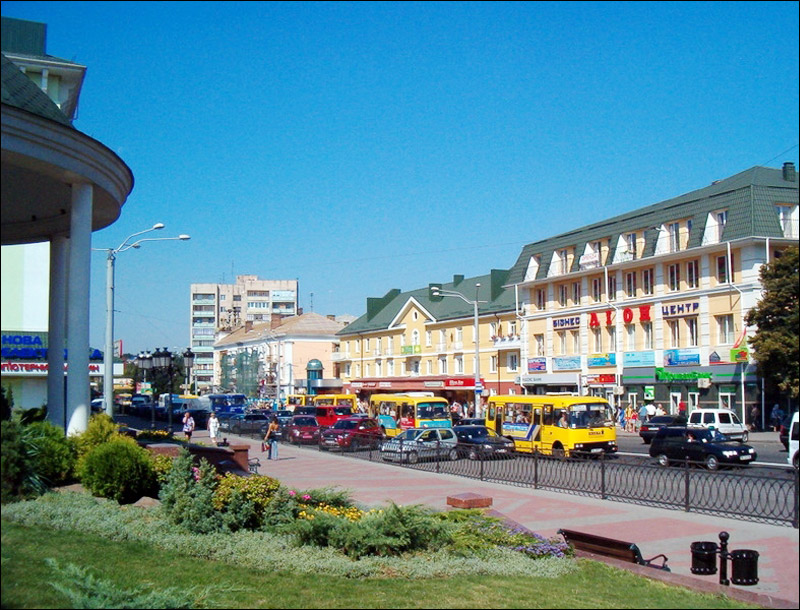
Ukraine is a country in Eastern Europe. It is rich in cultural wealth and natural resources. Rivne is a city in northwest of this beautiful country. It has the status of the regional center, but it still remains as a small quiet town with a sincere, friendly and open people. You can see a lot of them walking in a nice square in the center of a town. If you arrive in Rivne and have nothing to do just go to its center. There you will feel what you are ready to do. Everyone who gets there feel friendly atmosphere and ease in your heart.
At a first glance the rhythm of life there may seem slow but people live here an active life. They just know how to relax if they want to do that. Young people engaged in a variety of sports. The most common are speedway and football. Basketball, volleyball, rugby, baseball and hockey are also popular. World Women's Checkers Championship  was in Rinve in 2011.
There are a few museums in Rivne. The most interesting and newest is an Amber Museum. Amber is known for its healing features and is produced in Rivne region.
If you like cultural centers you can visit Drama, organ hall, cinemas and art galleries.


Other ways people spend leisure time here are ice skating, rollerblading, skiing and skateboards. A lot of people visit gyms. In summer you can ride a bicycle or have a picnic. There is a beach on a river Ustya. In the end of spring people begin to spend a lot of time there having picnics and getting a suntan. Going out of town for a picnic is also very popular. There are a lot of woods there. If you wish you can pick berries and mushrooms there.
There are a lot of cafes and restaurants in Rivne. So if you feel freezzy walking in Winter you can find some quiet place to drink coffee, hot tea or to eat some tasty Ukrainian or non-Ukrainian meals. If you like fast food there is McDonalds and a lot of cafes serving pizza. You can have a picnic in one of the squares if you wish.
If you wish to have fun you can visit one of the disco clubs or karaoke.
There is a brewery and a bakery in Rivne. So you can try a lot of tasty things from there.
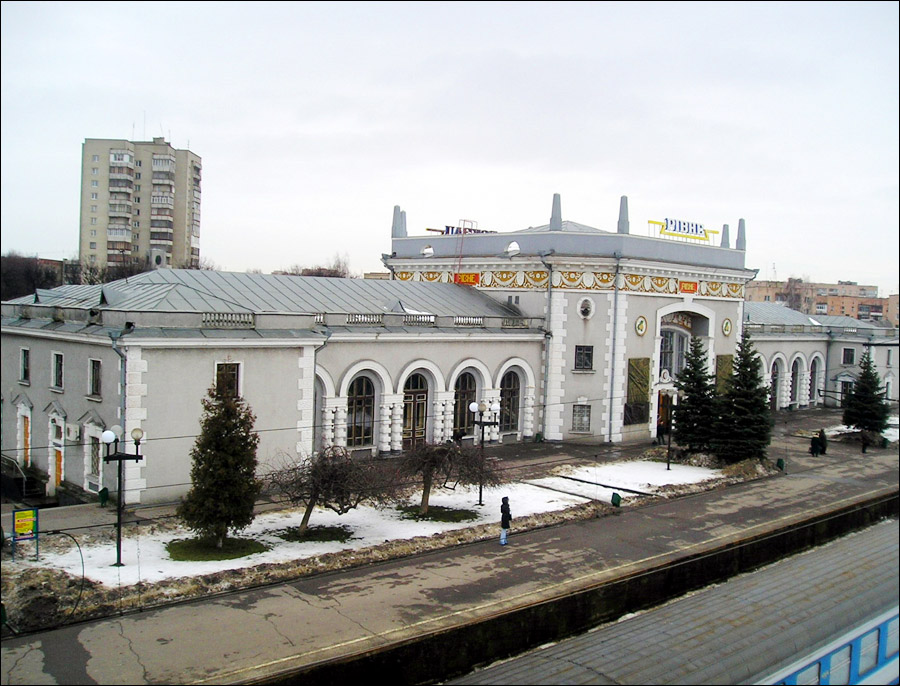
To get to their job people mostly use buses, trolleybuses and cars. But some sporty men use bicycles. It is easy to get to their work for people who live out of town because there are two bus stations and a train station in Rivne. To the closest places buses go every 15 minutes.
Religions of citizens mostly are Orthodox and Catholics. But there are nearly 26 of other confessions.
What to avoid there? Do not share how much money you have with the robbers. ))
Foreigners are frequent guests and always leave the city with lots of positive experiences.

europe

Saturday, May 25, 2013

Prague, Czech Republic

By Richard Barkand


If you take away the political borders, you might realize that Prague is located nearly in the center of Europe. It is part of the reason why many multinational companies have established offices in the Czech Republic’s capital city. It also helps to explain why so many travelers criss-crossing the continent make a point of adding Prague to their agenda.
But there is much more to the city than just a convenient stopping point. You know you are in an interesting place when you discover that the “New Town” district was first established in the year 1348.

Two of the most famous landmarks in the city are the Charles Bridge (construction began in 1357) and Prague Castle. But you do not have to limit yourself to only those two places. The neighborhoods on either end of Charles Bridge are full of narrow, crooked streets lined with restaurants, pubs, and craft shops. The weather is generally very pleasant from April to October, so you probably won’t mind losing track of time or your sense of direction.
Another must-see is the astronomical clock in Old Town Square. At the start of every hour, the clock performs a short, whimsical show. The square itself is full of beautiful buildings in different styles of architecture.


The public transportation system is modern, reliable, and inexpensive. An unlimited 24 hour pass costs 110 CZK (around $5.50 USD). Most locals buy a pass annually which costs around $240 USD.
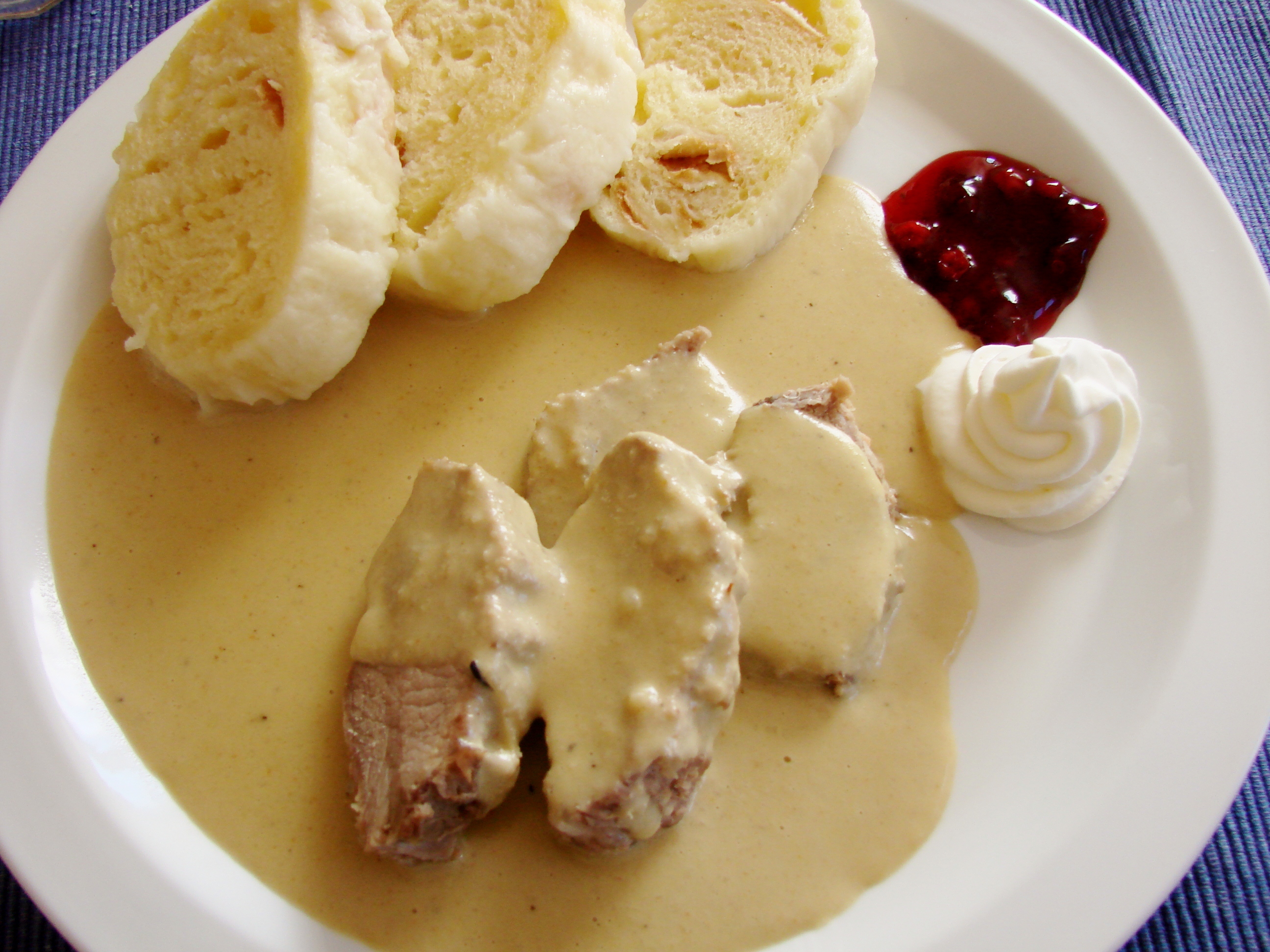
One thing that the city has not been known for is its cuisine. The traditional meat-centric dishes are readily available in nearly every neighborhood pub. One interesting and slightly unusual dish is called Svickova. It consists of marinated beef in a cream sauce with knedliky (dumplings) and, oddly, cranberries and whipped cream.


If you want something lighter, that’s ok. In the last five years, there has been a mushrooming of vegetarian restaurants and specialty shops offering fresh alternatives.
Speaking of mushrooms, for those who venture outside the city, mushroom picking is a favorite hobby of many Czechs. Go for a walk on one of the many well-marked hiking trails and you will certainly find people carrying baskets full of the various types of mushrooms growing in the forest. In fact, on summer weekends the city can feel a little empty. Many families have a chata (cottage) where they go to get a break from urban life.


Prague is also famous for its beer. And they do take their beer seriously here. The larger breweries employ inspectors who make visits to pubs and restaurants to check that their product is stored, poured, and served properly. Many microbreweries have sprung up recently to add more variety to the local beer culture.
After all, there is no better way to end a day of walking around the city’s stone and brick streets.
europe

Alba Iulia, Romania

Alba Iulia,  The Fortress of Transylvania

By Bogdan Alexandru Suciu 


             Alba Iulia is a city full of wonder , the heart of Romania, the fortress of Transylvania. This city , without doubts , had the biggest and the most important role in the history of  Romania . From Alba Iulia the nation began to flourish.
Alba Iulia is located in a tourist area and it is very attractive to travelers, who are  received and welcomed with great hospitality on this land. The tourist potential of the area finds its reflection in a broad constellation of evidence of  a past millennia, expressed in chain monuments of architecture and art, in a variety of natural beauties.
  Alba municipality was in ancient times a human civilization hearth where specific Romanian folk customs and traditions exert a special attraction for tourists from home and abroad.
If you are new on this land  , there are a variety of  possibilities to develop. So here are some great attractions for the passionate tourists. One of the most interesting things to see is the exchange of guard ceremony that takes place on Saturdays and on Sundays at the Third Gate. The entire ceremony takes place as it used to be in the medieval period, when Alba Iulia was probably the most impressive fortress from the Eastern part of Europe.


During this ceremony , the riders with their horses  and the soldiers use to march and surround  the fortress to the delight of the public that come in large numbers.

Alba Iulia is full of other attractions for example The Orthodox Cathedral, known as Coronation Cathedral, is the artistic expression of our national unity achieved by the Act of 1918. The building has a shape like a Greek cross. The entrance to the church is through an open porch with large arches, supported on four columns with capitals.
Another very important historical monument located near the Orthodox Cathedral is The Roman Catholic Cathedral built in the thirteenth century. It is the most valuable monument of early Transylvanian medieval architecture, harmoniously combining the elements of the Gothic and Roman architecture.


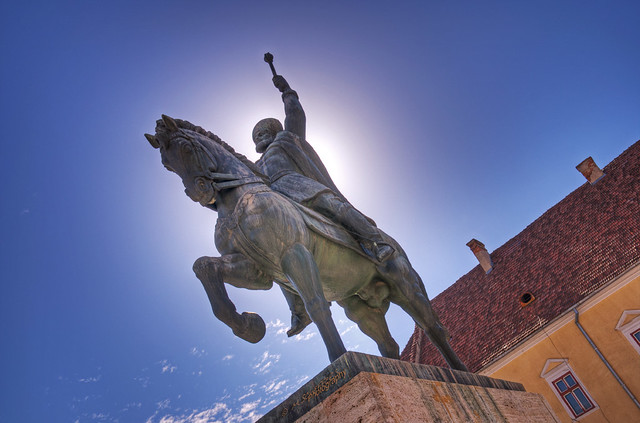
Near the Roman Catholic Cathedral we can find the statue of Michael the Brave, one of the greatest rulers of Romania.  There are many other monuments , historical buildings , National Museums where you can find valuable objects from ancient times that have more than 2000 years of existence , the union Hall, the Old part of town and a very big fortress surrounded by channels , caves and caverns and if I will mention them all probably I will not finish today with the enumeration. Another thing that I would like to say and emphasize is that only the entire fortress has more than 10 tourist routes and during these routes you can ride horses and drive using the  medieval carriage.
In the end I would like to mention one more monument. Having a great importance for the Romanian culture the Library Bathyaneum is a major  historical objective for Alba Iulia. It is known worldwide for its collections of great value representing manuscripts and rare prints
So what are you waiting for? Do not waste your time ! Come and visit Alba Iulia, The Heart of Romania !
europe

Friday, May 24, 2013

Almada, Portugal

Almada


Almada is a Portuguese city with around 175 000 inhabitants, being one of the most populated cities of Portugal. It has a big shore at west for the Atlantic Ocean and at North for the Tagus River, so it provides the city with a great potential for sun and sea tourism as well as country tourism. Almada rose as a city due to the industrialization from 19th century until the 70’s of the 20th century, its location near to the river allowed naval industries to supply jobs to families and give them good life conditions, although the city was very rural and behind the trends presented by the modern cities in Europe.

When Portugal adhered to the CEE, with the subsequent investment, the city of Almada also started to develop by developing the academic facilities like the Faculty of Sciences and Technology of Monte da Caparica and the Superior Institute of Egas Moniz where the academic spirit is well represented by young and dynamic people that give energy to the city with good programs to integrate all the population and the traditional academic events, like traditional festivals every week. One of the biggest struggles in Almada in the social inequality presented in the city that causes some assimetries, in terms of income and also safety, insecure areas are mainly in the perifery of the city.

The beaches of Costa da Caparica are the biggest touristic attraction of Almada, sun and beach in the summer with temperatures over 35ºC and with sports like surf, kitesurf, windsurf and bodyboard and good restaurants with fresh fish and acessible prices, and pubs and discos where anyone can have a good time and with acessible prices too, in average 10 to 20 €. If you prefer other types of tourism, there’s always the monument of Cristo Rei, where you can visit the top of it and you’ll have a great view of Tagus River and the entire city of Lisbon. If you want cultural activities, Almada provides the tourists with a great offer, with two big libraries, the City Forum Romeu Correia and the Jose Saramago City Library, both equipped with Audiovisual rooms, lobby, bar, newspaper rooms and a room which purpose is to held conferences, seminars, meeting or even areas to children. Almada has some recognized names at cultural level, like the former footballer Luis Figo, or the music bands like Xutos e Pontapés and Da Weasel or even Sara Tavares and Melech Mechaya

Almada is full of parks and nature, the environment has been a huge bet on the local government, so we can say that Almada is a green city. The kind of transportation used in Almada is mainly subway or bus. People often use the train, but to cross the bridge to go to Lisbon, which is the capital and where the majority of people get a job opportunity. Almada has a big problem with unemployment due to this proximity to the capital, so only small businesses are available in this city and one of the biggest shopping centers in Europe, the Almada Forum, where tourist can do some shopping and consuming fast food if they desire, but it would be a waste, since due to the proximity to the river and ocean, Almada has tradition in good local resturants. The inhabitants of Almada are very friendly and will welcome tourists in a good way.